Concept Generation
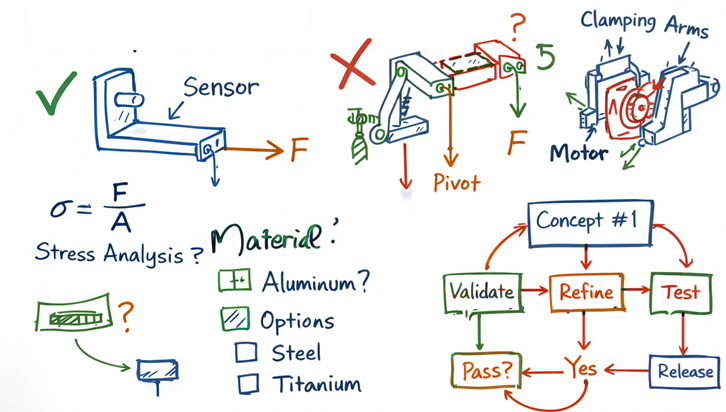
Concept generation is the foundation of a successful design. Before diving into the design,
it’s useful to develop realistic specs, and then explore and evaluate multiple solution paths
before committing to a direction. Activities include brainstorming, cost estimation, tolerance analysis,
constraint discovery, and motion analysis.
The objective is to identify the most viable concept early, balancing performance, manufacturability,
cost, and risk, so that mechanical design begins with a clear direction.
Mechanical Design
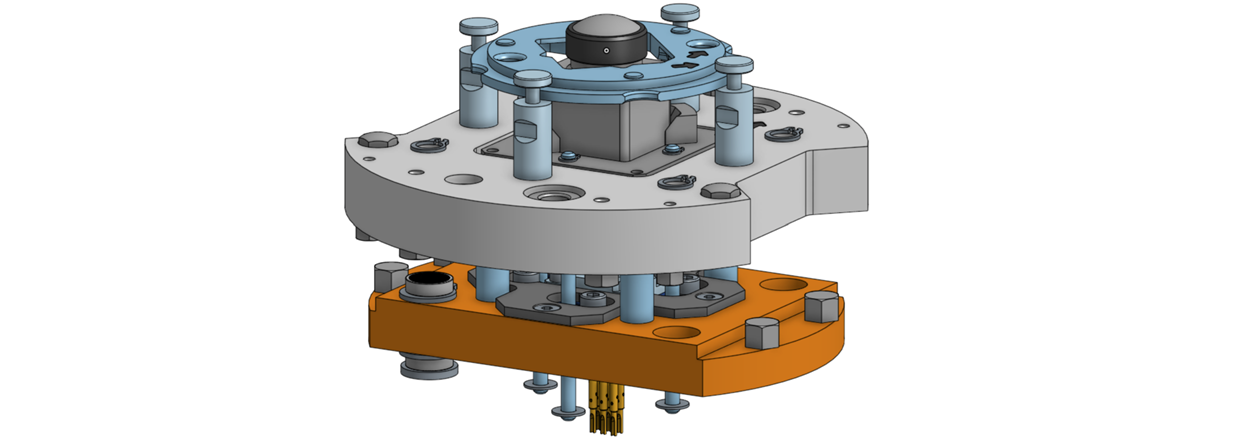
Mechanical design is the heart of what we do. It’s where the concept becomes a fully realized solution.
This includes component selection, detailed part design, and engineering analysis to verify that the design
meets all established requirements.
We develop detailed 3D models that clearly communicate function, interfaces, and assembly, ensuring the design
is technically sound and ready for fabrication.
Technical Documentation
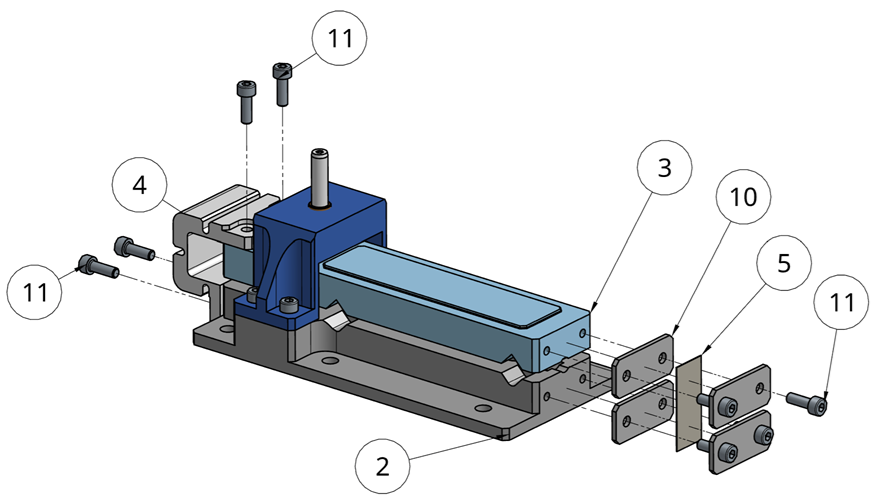
Communication is at the core of technical documentation. A finished design must be clearly and thoroughly documented
to be successfully built, integrated, and maintained. We create technical documentation for fabricators, assembly technicians,
process engineers, and end users.
Deliverables include detailed drawings, maintenance instructions, and application notes, providing a complete and unambiguous
handoff from design to production and long-term support.
Prototyping
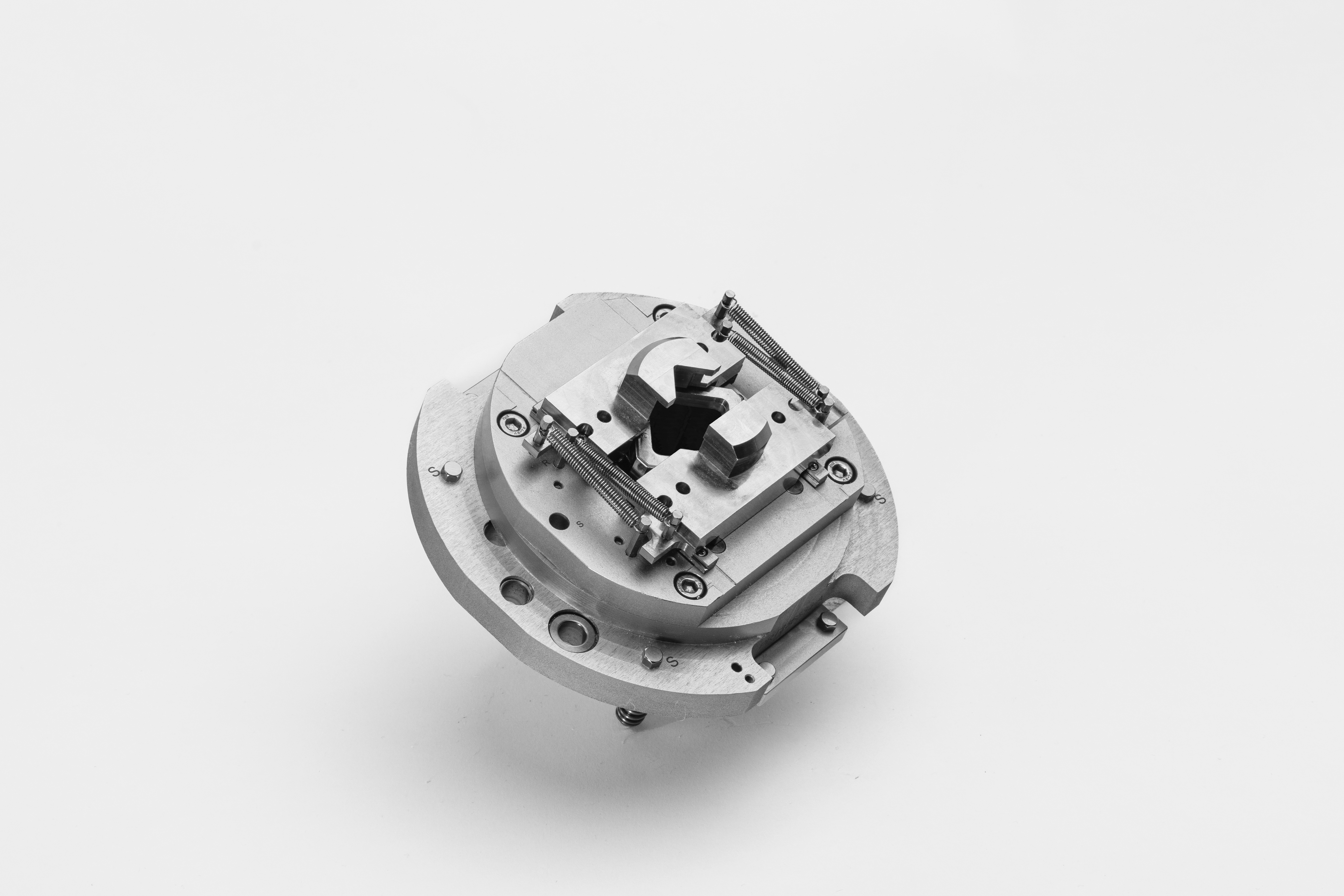
Effective prototyping is about testing the right things at the right time, in the most cost-effective way. Prototyping may begin
with early breadboards during concept development and continue through component refinements as the design matures.
In most cases, developing a full system prototype is invaluable. It allows customers to identify system-level issues,
uncover unexpected constraints, and refine the design before committing to production.
Design Validation
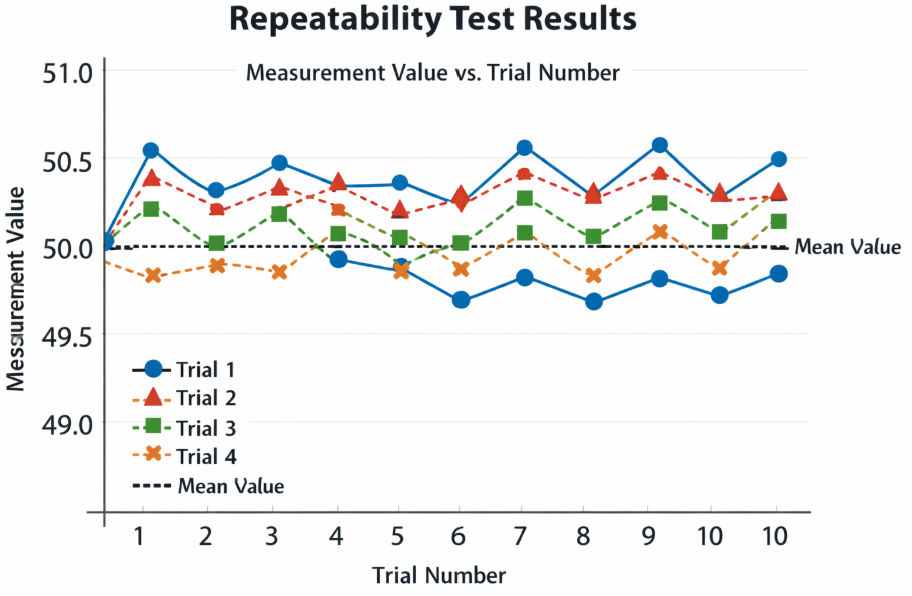
Design validation confirms that the final solution meets all functional and performance requirements before release. This includes
assembly verification, maintenance and quality checks, as well as targeted functional testing.
Validation ensures the design performs as intended and aligns with the specifications established earlier, thereby reducing risk prior
to production or deployment.
Project Management
Effective project management is built on clear communication and disciplined planning. We ensure all stakeholders understand how their
work contributes to the overall project and maintain transparency as changes inevitably arise.
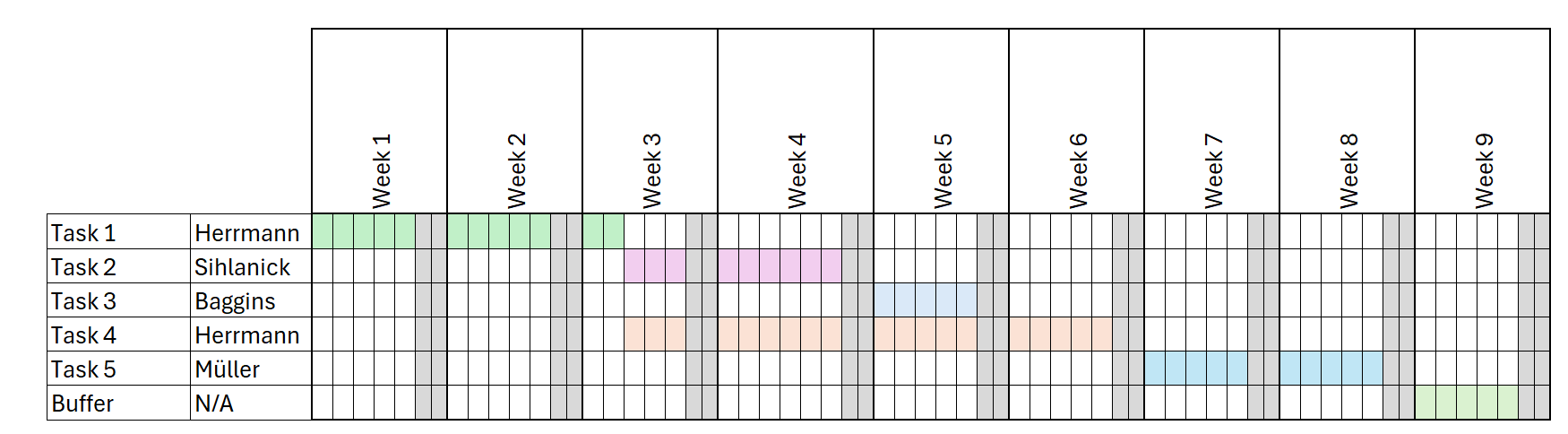
This includes developing and managing budgets, schedules, resource loading, and buffers, as well as tracking progress to keep the project
aligned with expectations.